
Your child has had a low fever on and off for a week. They seem more tired than usual. Maybe you've noticed a bruise on their leg that you can't quite explain. For most parents, the first instinct is to assume it's just a bug going around, or a growth spurt, or too many late nights.
Most of the time, that instinct is right. But childhood cancer is one of those conditions that rarely announces itself the way adult cancer does — there's often no single, obvious symptom, just a handful of small, easy-to-miss changes that add up over time. Knowing what those changes look like doesn't mean panicking over every cough or scraped knee. It means knowing what's worth a closer look.
- 02 Fever that keeps coming back
- 03 Ongoing fatigue or unusual paleness
- 04 Weight loss without a clear reason
- 05 A new lump or swelling
- 06 Unusual bruising or bleeding
- 07 Bone or joint pain, or recurring headaches
Why childhood cancer can be easy to miss
Cancer in children is different from cancer in adults — not just in the types that occur, but in how it shows up. Adult cancers are often linked to lifestyle or long-term exposure and tend to develop in specific, well-monitored organs. Childhood cancers, such as leukaemia or lymphoma, tend to progress faster and show up as vague, whole-body symptoms that mimic common childhood illnesses: fatigue, low-grade fevers, aches, a general "not quite themselves" feeling.
That overlap is exactly why early signs are so often dismissed. A tired, pale child who's caught one cold after another looks a lot like a child who's simply had a rough winter. The difference usually isn't in any single symptom — it's in the pattern.
None of these symptoms mean your child has cancer. But if you notice one or more of them lingering, worsening, or coming back repeatedly, it's worth mentioning to a paediatrician rather than waiting it out.
Fever that keeps coming back
The occasional fever with a cold or flu is normal. A fever that recurs over several weeks without an obvious cause — or that doesn't respond the way infections usually do — is worth flagging.
Ongoing fatigue or unusual paleness
All kids get tired. But persistent exhaustion that isn't explained by sleep, activity, or a recent illness, especially paired with pale skin, can be a sign the body isn't producing enough healthy blood cells.
Weight loss without a clear reason
Picky eating phases happen. Noticeable, unexplained weight loss over a short period is different, and deserves a proper look.
A new lump or swelling
This could be in the neck, abdomen, armpit, or elsewhere. Many lumps in children turn out to be harmless — swollen glands from an infection are common — but any lump that doesn't go away after a few weeks should be checked.
Unusual bruising or bleeding
Active kids bruise easily, especially on the shins and knees. Bruises that appear without an obvious bump, show up in unusual places (like the back or stomach), or are accompanied by frequent nosebleeds or bleeding gums are a different story.
Bone or joint pain, or recurring headaches
Growing pains are real, and usually happen at night in the legs. Pain that's persistent, one-sided, disrupts sleep, or comes with recurring headaches — particularly ones that are worse in the morning or accompanied by vomiting — warrants medical attention.
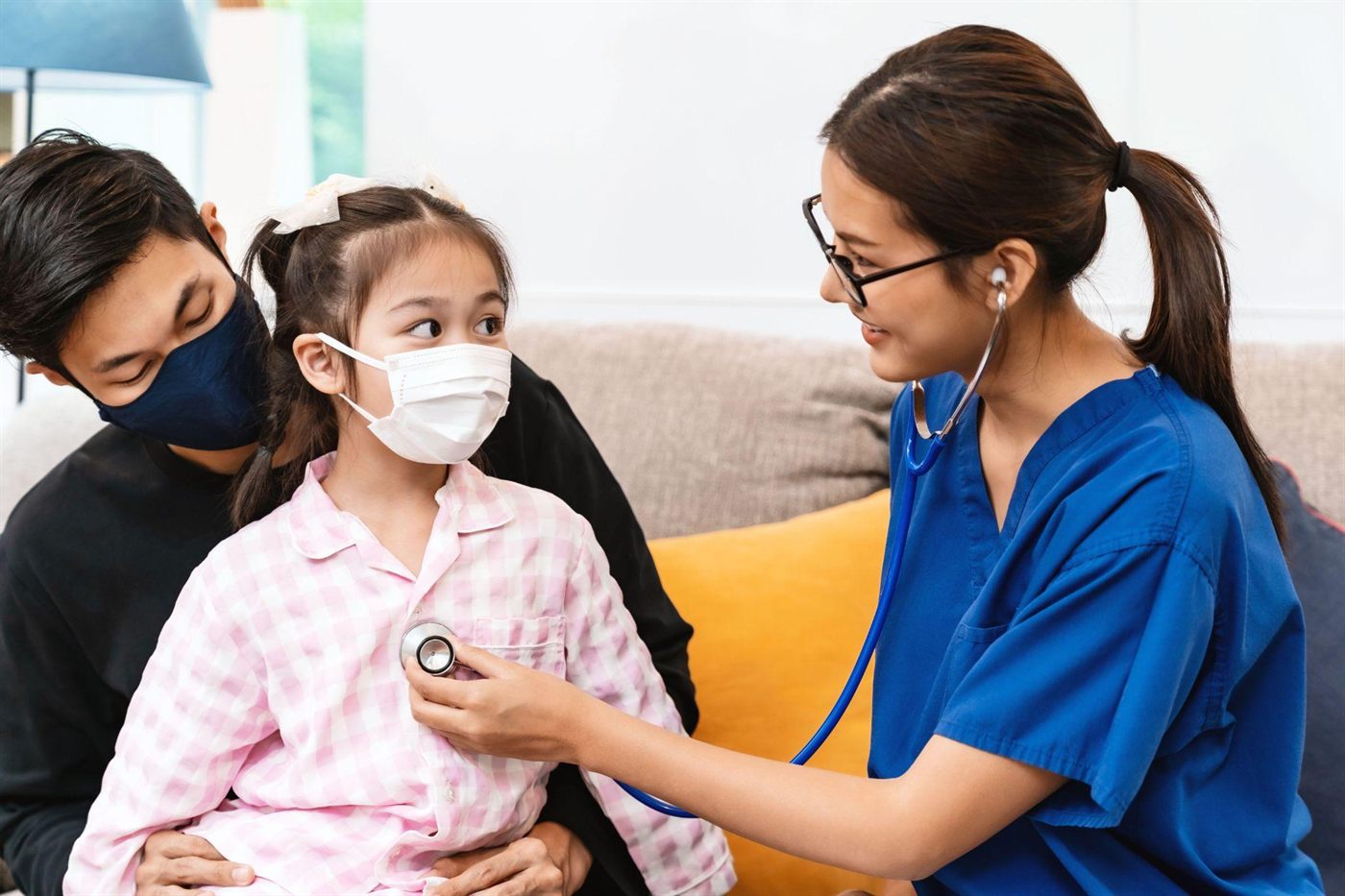
A symptom isn't a diagnosis
It's worth saying plainly: having one of these signs does not mean your child has cancer. Far more often, these symptoms point to something far more common and treatable — a viral infection, low iron, a growth-related issue, or another everyday childhood condition. Doctors see these symptoms constantly, and in the vast majority of cases, cancer isn't the cause.
The goal here isn't to make every parent anxious about every fever or bruise. It's to help you recognise when a symptom has moved from "probably nothing" to "probably worth a check-up" — so that if something does need attention, it's caught early rather than waited out.
What to watch for: pattern, duration, and persistence
Rather than fixating on any single symptom, paediatricians generally look at three things when deciding whether further tests are needed:
- Pattern — Is this a one-off, or has it happened several times in a short period?
- Duration — Has it lasted more than two to three weeks without improving?
- Persistence — Is it getting better with the usual home remedies and rest, or staying the same (or worsening) regardless?
If the answer to any of these leans toward "this isn't going away," that's your cue to book an appointment rather than wait for the next check-up.
What to remember
- Childhood cancer symptoms often look like everyday childhood illnesses — that's exactly why they're easy to overlook.
- Watch for combinations of: recurring fever, ongoing fatigue or paleness, unexplained weight loss, a persistent lump, unusual bruising or bleeding, and lingering bone pain or headaches.
- Most of these symptoms will turn out to have a simple, treatable explanation — but persistence, pattern, and duration are your best guide to when it's time to see a doctor.
- Trust your instincts as a parent. You know your child's normal better than anyone, and a second opinion never hurts.
The takeaway
None of these six signs means your child has cancer, and most of the time the explanation is something common and easily treated. What matters is the pattern: a symptom that keeps coming back, lasts more than two to three weeks, or doesn't improve with rest is worth a paediatrician's opinion rather than another week of waiting.
Next step
Not sure if it's time to see someone? You don't need to wait for a scheduled check-up to ask a question that's on your mind. Chat with the Kinship team about your child's symptoms and get guidance on the next step — whether that's reassurance, a follow-up, or a referral for further tests.
Where to get help. Book a paediatric consultation through Kinship by DA — we'll help arrange your appointment.
Urgent: If your child seems seriously unwell, seek immediate care at an emergency department.
This article is for general education only and is not a substitute for medical advice, diagnosis, or treatment. If you are concerned about your child's health, speak to a qualified paediatrician.
Content developed in partnership with Modern Cancer Hospital Guangzhou.